
Methodology
What does Integrated Factory Modeling mean?
IFM – the convergence of BIM and digital factory across the entire factory lifecycle.
Detailed Explanation
The Integrated Factory Model in Detail
Integrated Factory Modeling (IFM) is a holistic methodology that brings together two previously largely separate worlds: Building Information Modeling (BIM) from construction, and the concept of the Digital Factory from manufacturing industry.
What is BIM – and what is the Digital Factory?
BIM describes the creation and management of a digital twin of buildings and structures. The Digital Factory describes the approach of planning, simulating and optimizing manufacturing processes, production facilities and factory layouts digitally. IFM unites both approaches – with a central, always up-to-date digital representation of the entire factory at its core.
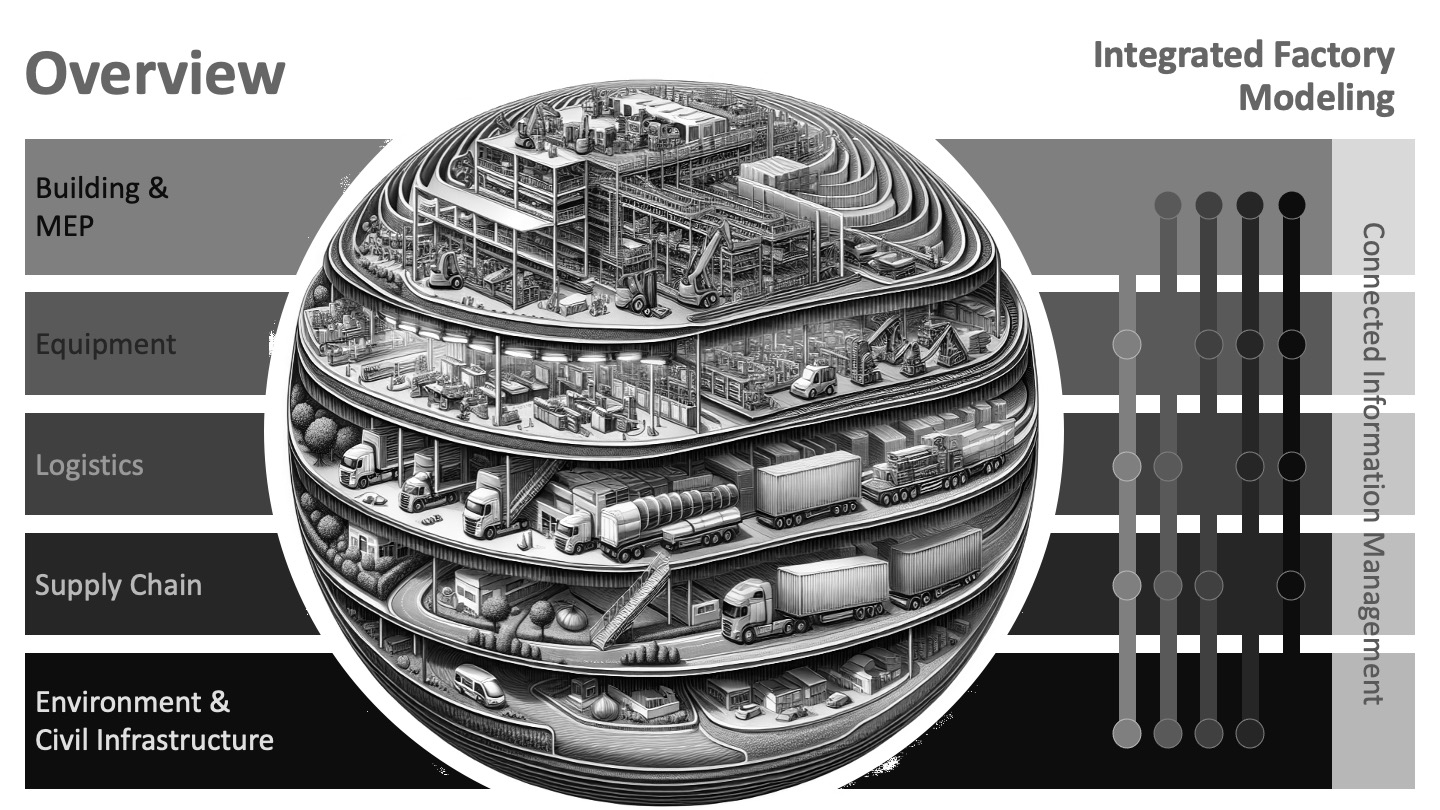
The central concept: A digital twin of the entire factory
At the heart of IFM is a centrally stored digital factory model – not just of one department, but of all stakeholders and all suppliers. This model is maintained and updated throughout the entire lifecycle of the factory.
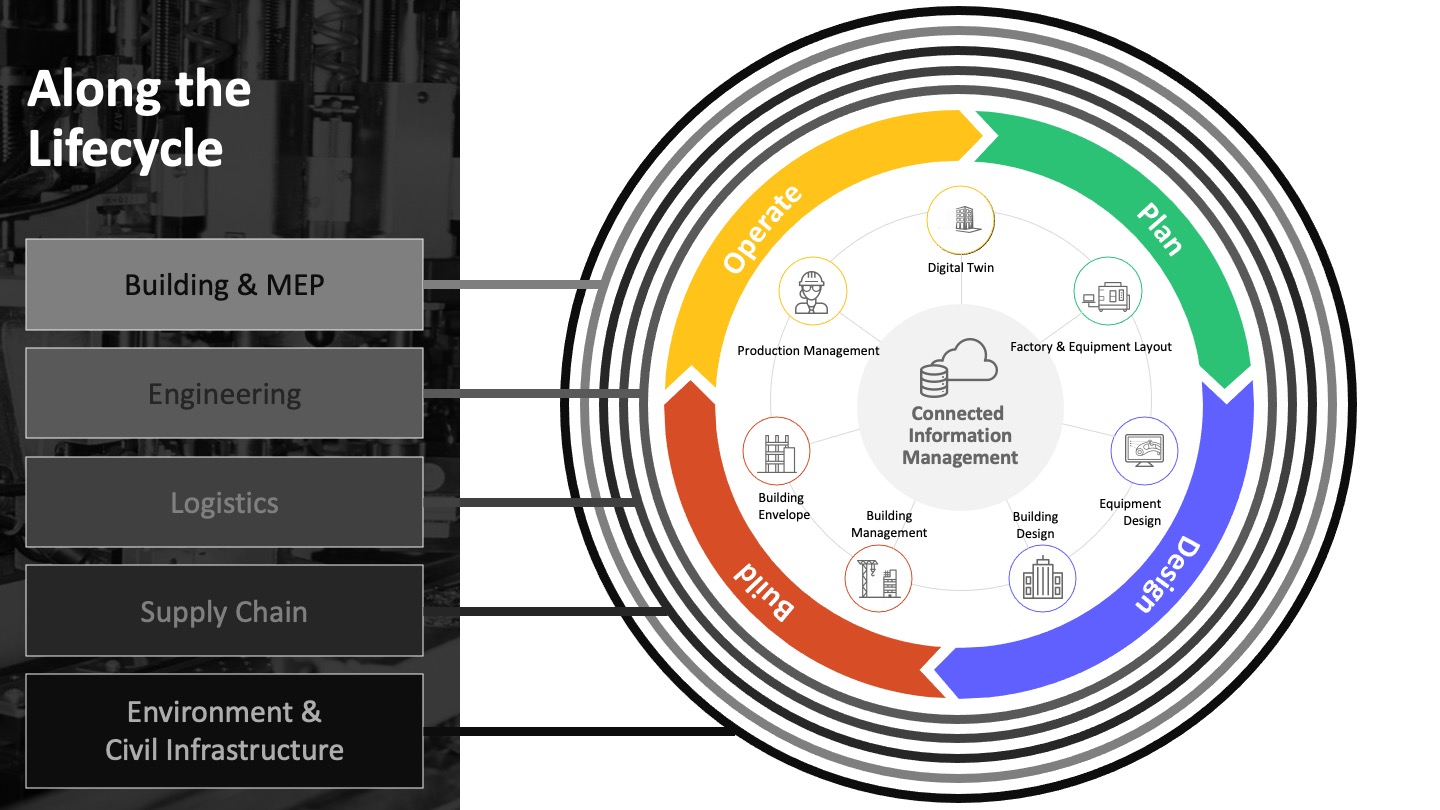
The IFM model is not a static document, but a living, continuously updated digital representation – the single reliable source of truth for all stakeholders.
Connection across the entire factory lifecycle
A key aspect of IFM is the cross-phase networking of all project stakeholders: from initial planning and conceptualization through construction and commissioning to ongoing operation, optimization and finally conversion or decommissioning. IFM ensures that all these stakeholders work based on the same, always up-to-date information model.
Which assets are captured?
IFM takes into account all assets with relevance for a value-creating and sustainable production:
- Buildings, building envelope and infrastructure facilities (electricity, compressed air, air conditioning, security systems)
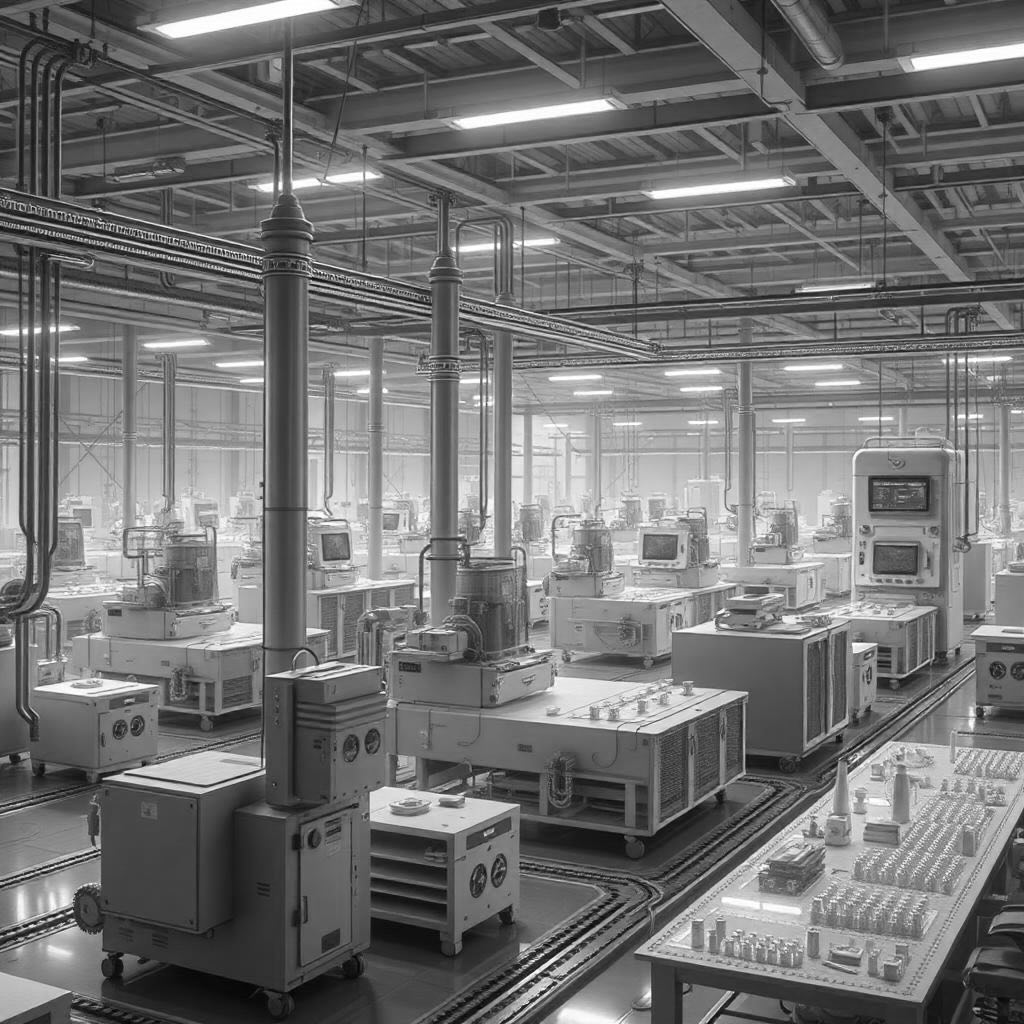
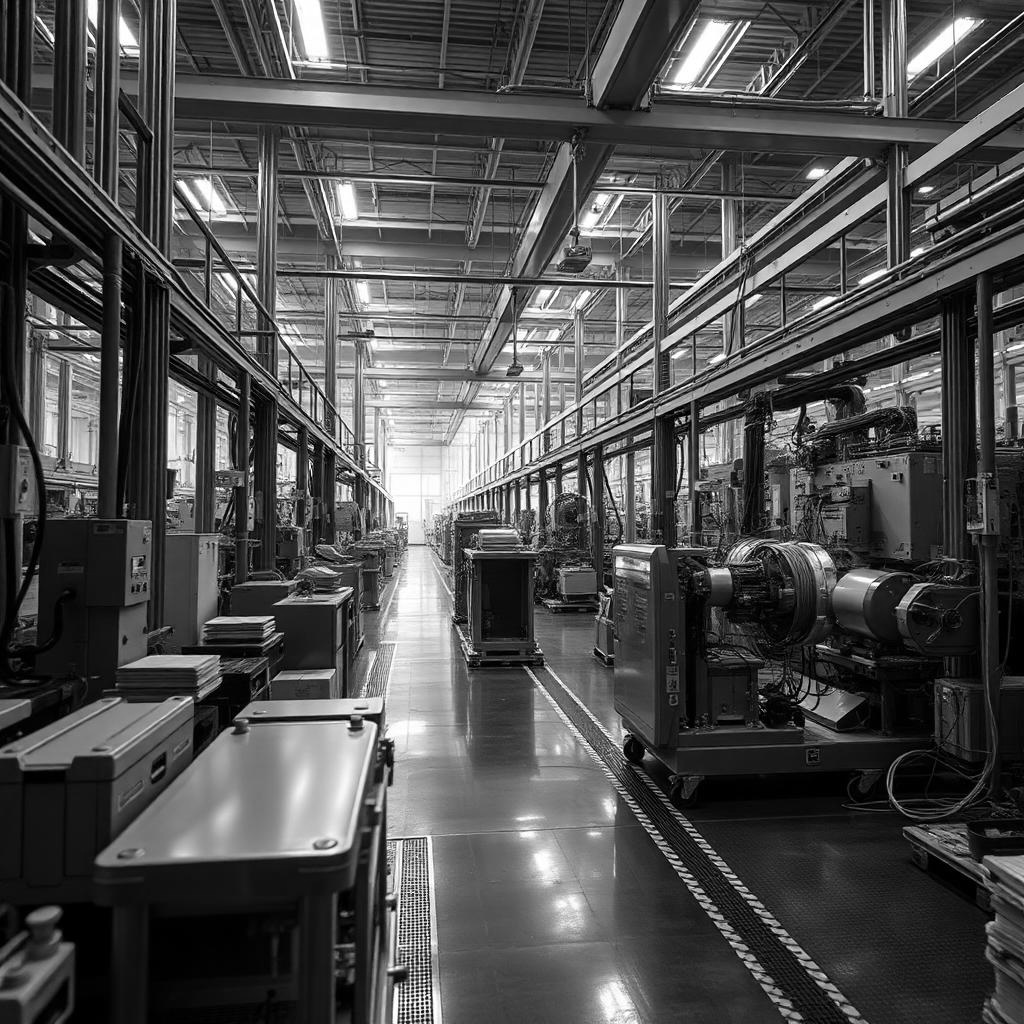
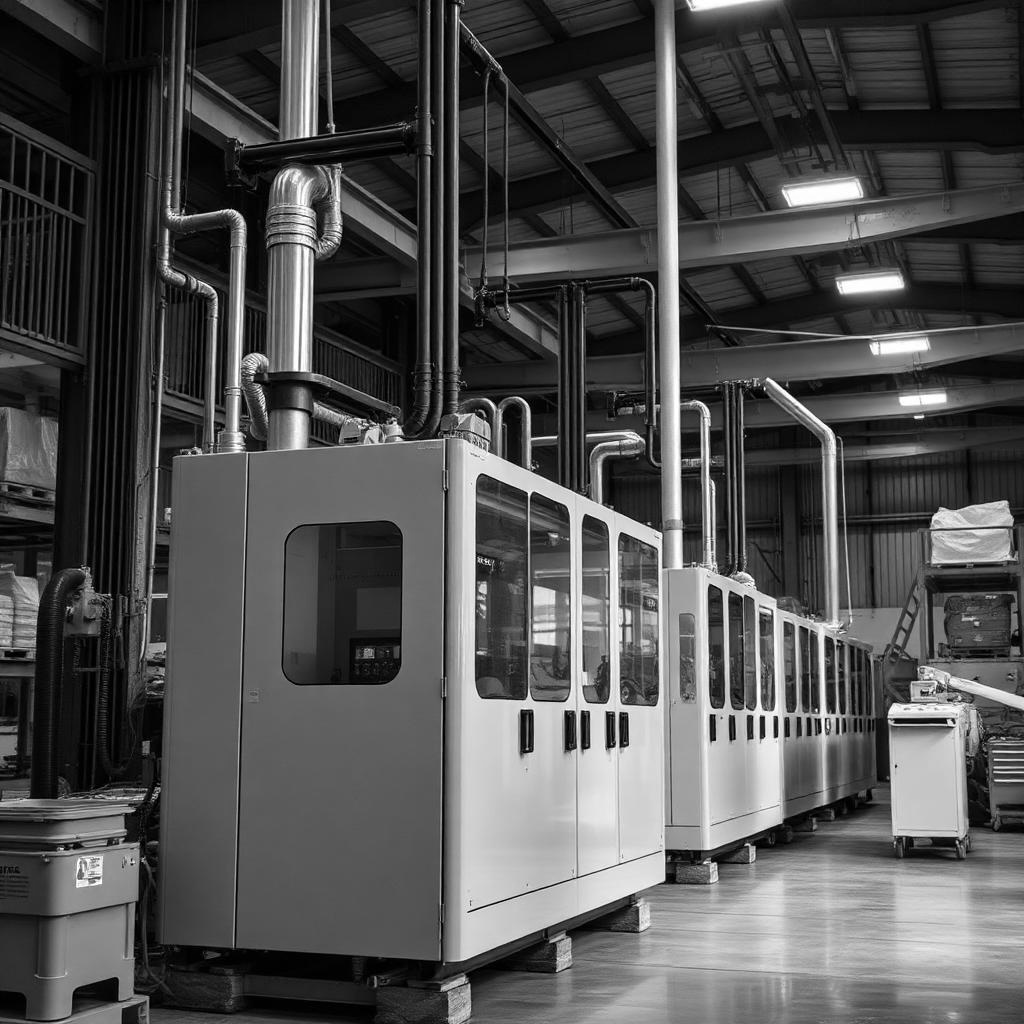
- Production plants, machines and robot systems with technical specifications
- Conveyor technology, logistics systems and internal transport routes
- IT and OT infrastructure: networks, control systems, sensors, SCADA systems
- Tools, fixtures and operating equipment
- Process and quality data, maintenance plans and documentation
- Energy and resource consumption for sustainable factory planning
Why IFM for SMEs?
Especially for small and medium-sized companies with grown production sites, IFM offers enormous potential. Often extensive facilities already exist whose information is distributed across different departments or not available digitally at all. IFM creates transparency, reduces complexity and forms the foundation for all further digitalization measures.
Factory Lifecycle
All phases. One fully integrated dataset.


Asset Categories
What IFM captures
Built Infrastructure
- Buildings & building envelope
- Electrical supply
- Compressed air & media
- Air conditioning & ventilation
- Security & fire protection systems
Production & IT/OT
- Machines & robot systems
- Conveyor technology & logistics
- Control systems & SCADA
- Sensor networks & IoT devices
- IT networks & interfaces
Ready to transform your factory?
Find out how the Integrated Factory Model can be applied in your company.